
Myths about coeliac disease
These are some of the most common myths and misunderstandings about coeliac disease.
 ‘Coeliac disease is rare’
Research shows that coeliac disease affects one in 100 people in the UK, making it much more common than previously thought. Under diagnosis is a big problem and research suggests around 500,000 people have not yet been diagnosed. Coeliac disease is not rare.
‘Coeliac disease is a food allergy’
Coeliac disease is not a food allergy or an intolerance, it is an autoimmune disease. In coeliac disease, eating gluten causes the lining of the small intestine to become damaged. Other parts of the body may be affected. Coeliac disease is not an allergy.
‘You have to have gut symptoms such as diarrhoea to have coeliac disease’
Coeliac disease is known as a 'multi-system' disorder – symptoms can affect any area of the body. Symptoms differ between individuals in terms of type and severity. Read more on symptoms if coeliac disease. You don't need to have gut symptoms to have coeliac disease.
‘Only children get coeliac disease’
Coeliac disease can develop and be diagnosed at any age. It may develop after weaning onto cereals that contain gluten, in old age or any time in between. Coeliac disease is most frequently diagnosed in people aged 40-60 years old. Delayed diagnosis is common and our research shows the average time it takes to be diagnosed is 13 years. You can develop coeliac disease at any age.
'You have to be underweight to have undiagnosed coeliac disease’
Recent research suggests that most people with coeliac disease are of normal weight or overweight at diagnosis. Body weight alone should not be used to decide whether or not you should be tested for coeliac disease. You can appear a normal body size and shape and still have coeliac disease.
‘You can ‘grow out’ of having coeliac disease’
Coeliac disease is a lifelong condition. The gluten free diet is the only treatment for coeliac disease. If gluten is introduced back into the diet at a later date, the immune system will react and the gut lining will become damaged again. If someone following a gluten free diet is retested for coeliac disease (antibody blood test, gut biopsy) it would be expected that the tests are negative. This means they are responding well to the gluten free diet. There are no antibodies in the blood because there is no gluten for the immune system to react against. Taking gluten out of the diet allows the gut to heal. Once you develop coeliac disease you must avoid gluten for the rest of your life.
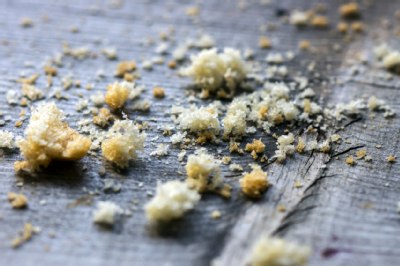
‘A breadcrumb won’t hurt someone with coeliac disease’
Even very small amounts of gluten can be damaging to people with coeliac disease. Therefore, taking sensible steps to avoid cross contamination with gluten is important.
Top tips to avoid cross contamination:
- keep cooking utensils separate during food preparation and cooking
- avoid frying food in the same oil that has previously been used to cook foods which contain gluten
- use a clean grill, separate toaster or toaster bags to make gluten free toast
- use separate breadboards and wash surfaces thoroughly
- use separate condiments like jam, butter, mustard and mayonnaise.
Tiny traces of gluten can cause symptoms for people with coeliac disease.
‘Coeliac disease only affects people of European origin’
Coeliac disease affects all ethnic groups and is common in Europe and North America, as well as in southern Asia, the Middle East, North Africa and South America.
Genetics do play a role in coeliac disease but this is not confined to one particular ethnic group.