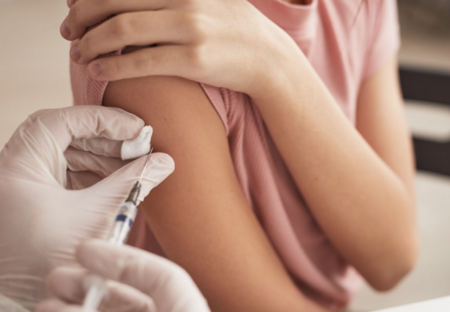
Pneumococcal vaccine
Pneumococcal disease is an infection caused by a bacterium that usually lives harmlessly at the back of many people’s throats. However, it can invade other parts of the body and cause serious, possibly life threatening illnesses including pneumonia, septicaemia or meningitis.
Department of Health position
The Department of Health recommends a vaccination for pneumococcal disease for:
- Infants
- People aged 65 and over.
- People aged between two and 65 years of age who are at higher risk from pneumococcal disease, including individuals with a damaged or absent spleen.
- Children and adults with certain long term health conditions such as serious heart, liver and kidney conditions and diabetes.
Around 30% of adults with coeliac disease have reduced splenic function and are therefore at an increased risk of severe infection. However, people with coeliac disease are not routinely assessed for splenic dysfunction. This potentially puts them at risk of pneumococcal infections and those people who are known to be hyposplenic should receive the pneumococcal vaccine and also vaccines to meningitis C and influenza. However, the Department of Health has not made a universal recommendation to everyone with coeliac disease, but rather recommends that clinical assessments are made on an individual basis.
The British Society of Gastroenterology Guidelines
The BSG Guidelines for the diagnosis and management of adult coeliac disease (2026) recommends patients newly diagnosed with coeliac disease should have the pneumococcal vaccine. A booster after five years is recommended for patients with refractory coeliac disease or on long term immunosuppressive medication.
Since 2006, all infants receive vaccination against pneumococcal infection as part of the routine childhood immunisation programme.
Flu
The Green Book recommends that people with hyposplenism (which affects around 30% of adults with coeliac disease) are offered yearly flu vaccination.
There is no evidence that people with coeliac disease are at a greater risk of getting seasonal flu than the general population.
Meningococcal A,C,W,Y
In 2014, the meningococcal C vaccine, given to adolescents, was replaced by combined Meningococcal A,C,W,Y and introduced to the childhood immunisation programme. Coeliac UK’s Health Advisory Council advises anyone born between 1995 and 2014 to speak with their GP about having the A,C,W,Y vaccination given retrospectively.