Research awards panel
RAP provides the expert insight and fulfils governance requirements for the review, funding and management of our research grant awards in line with our research strategy and the best practice guidelines of the Association of Medical Research Charities. The RAP reports to our Board of Trustees.
Members of the RAP need to comprise of experts, providing a broad range of expertise across a number of disciplines which may include but are not limited to basic science, immunology, gastroenterology, genetics, bioinformatics, epidemiology, neurology, autoimmune disease, food science and technology or plant science.
The RAP meets at least once per year, to align with any funding call or review of funded research.
Our Chair – Paul Hardaker
Paul has held a number of roles in academia and industry as a research scientist working in weather and climate, in science policy as an advisor to government and the research councils and working with a number of organisations to encourage more people from under-represented backgrounds to come into science and engineering. Paul is also a Trustee of Sense about Science, an organisation that campaigns for the use of scientific evidence in public policy making and holds Honorary Degrees from the University of York and the University of Essex. Paul was diagnosed with coeliac disease in 2012.
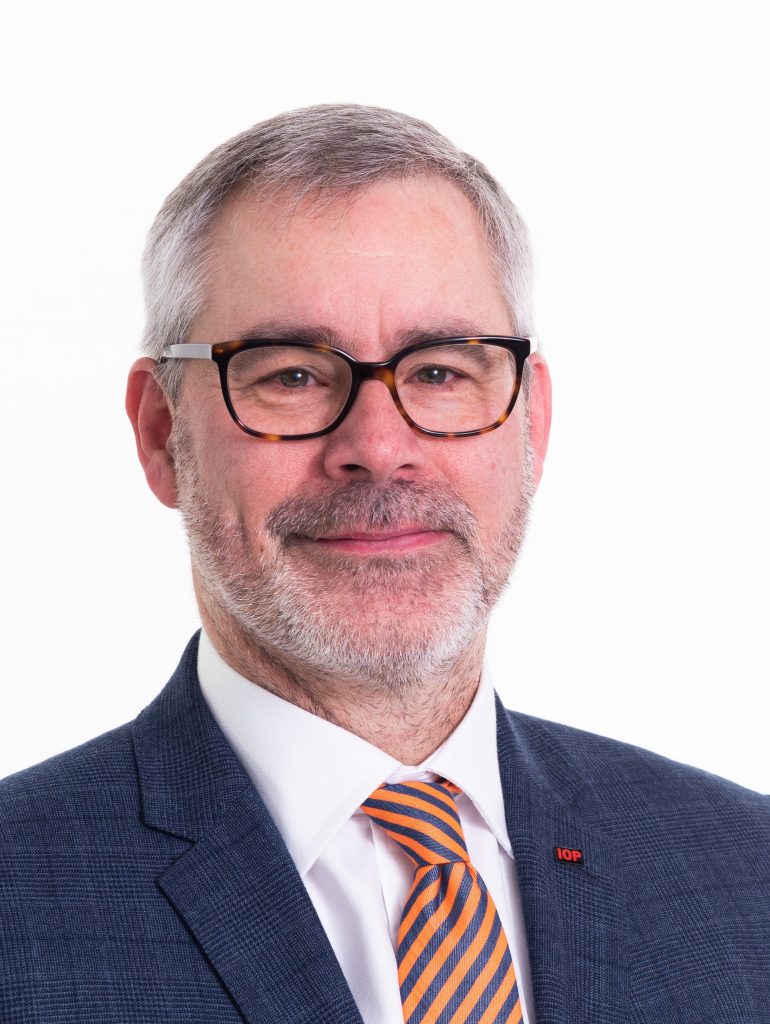
Paul is Visiting Professor of Mathematical and Physical Sciences at the University of Reading. He retired in 2022 from his role as the Group Chief Executive Officer of the Institute of Physics (IOP), a post which he held for 10 years. Prior to that Paul was the Chief Executive of the Royal Meteorological Society and the Deputy Chair of NHS Berkshire West Primary Care Trust. Paul is also a past Chair of the Science and Engineering Community’s Equality Diversity and Inclusion (EDI) Progression Framework.
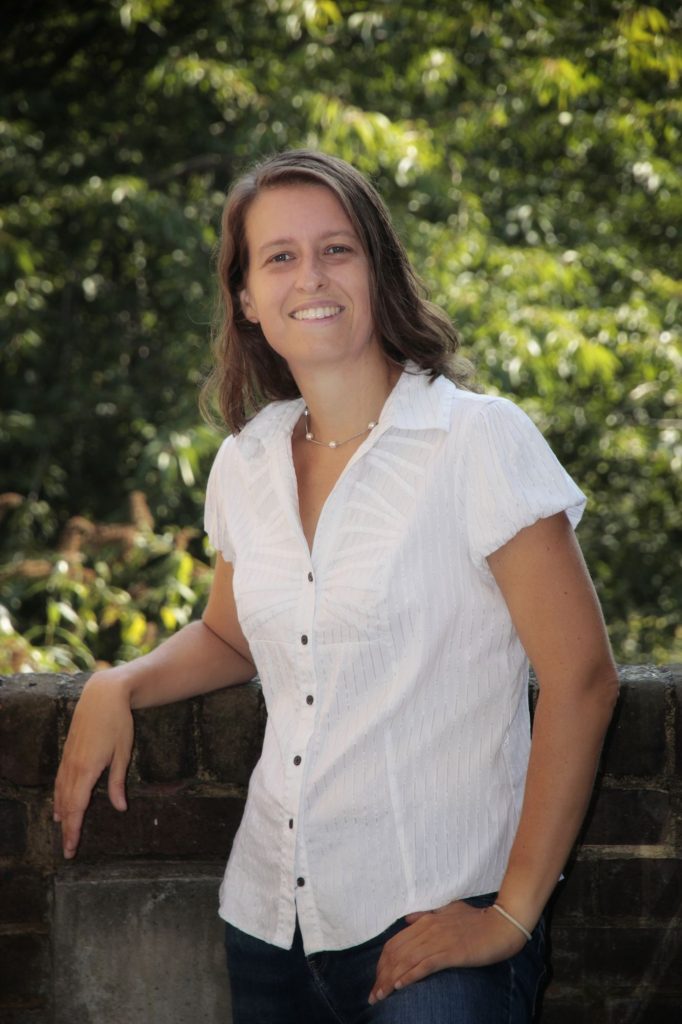
Silvia is a Reader in Statistics and Head of the Statistics and Data Sciences research group in the School of Mathematical Sciences at Queen Mary University of London. Her research interests are in Bayesian clustering methods, spatial models and applications of these methods to epidemiology and public health. Two of her family members were diagnosed with coeliac disease in 2020.
Mohamed Shiha is an NIHR Academic Clinical Lecturer in Gastroenterology at the University of Sheffield. His research focuses on coeliac disease, endoscopy quality and evidence synthesis, with particular interest in improving diagnostic pathways and patient-centered care.
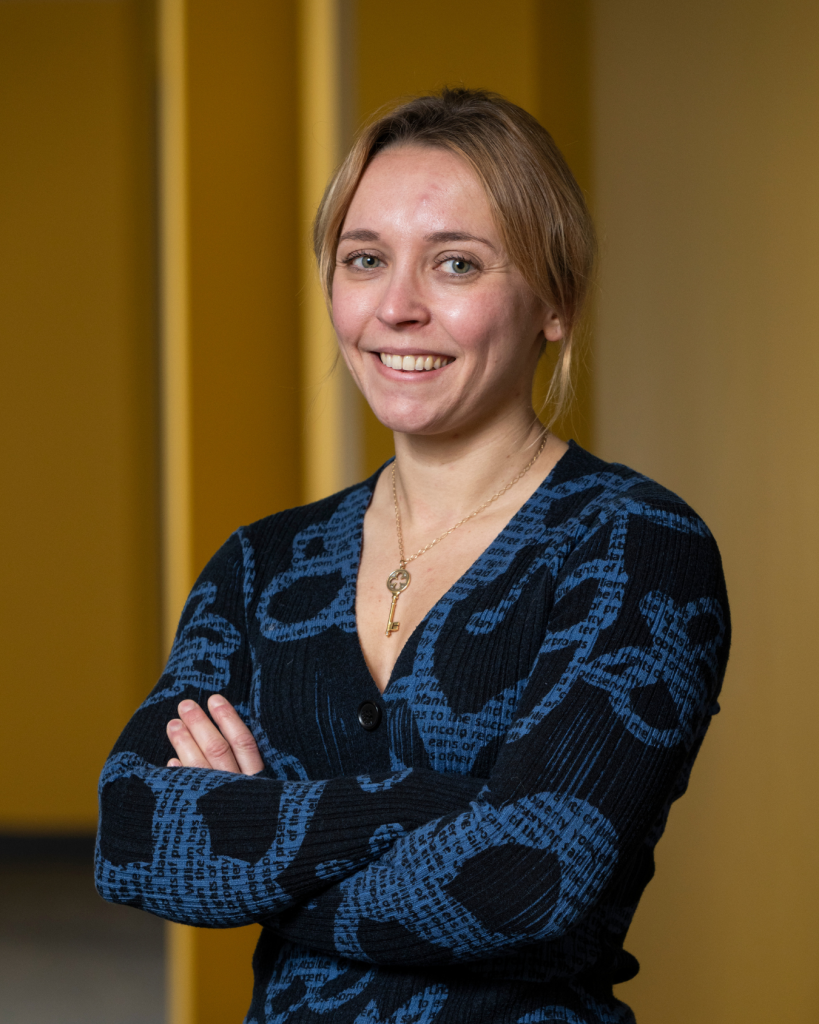
Dr Rosie Satherley is a Senior Lecturer in Clinical Psychology at the University of Surrey. Her research focuses on understanding the emotional and psychological impact of coeliac disease and developing ways to support people to live well with the condition. Supported by National Institute for Health and Care Research (NIHR) funding, her work has explored the lived experiences of people with coeliac disease and the challenges of managing a lifelong gluten-free diet. On the Research Awards Panel, Rosie brings expertise in qualitative research methods, patient and public involvement and engagement (PPIE), and research that supports wellbeing and quality of life.
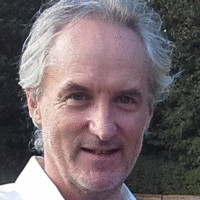
John is Professor of Cell Signalling at the University of the West of England, Bristol (UWE). His research interests include studying the role of small reactive compounds involved in cell control, such as hydrogen peroxide, nitric oxide, and most recently molecular hydrogen. He has authored several academic books including Cell Signalling (OUP), and more recently on animal behaviour (CRC Press). He is the Chair of UWE’s University Ethics and Integrity Committee and Editor-in-Chief of the journal, Oxygen. He is on several advisory boards, e.g., European Academy for Molecular Hydrogen Research in Biomedicine. Both his son and daughter have coeliac disease.
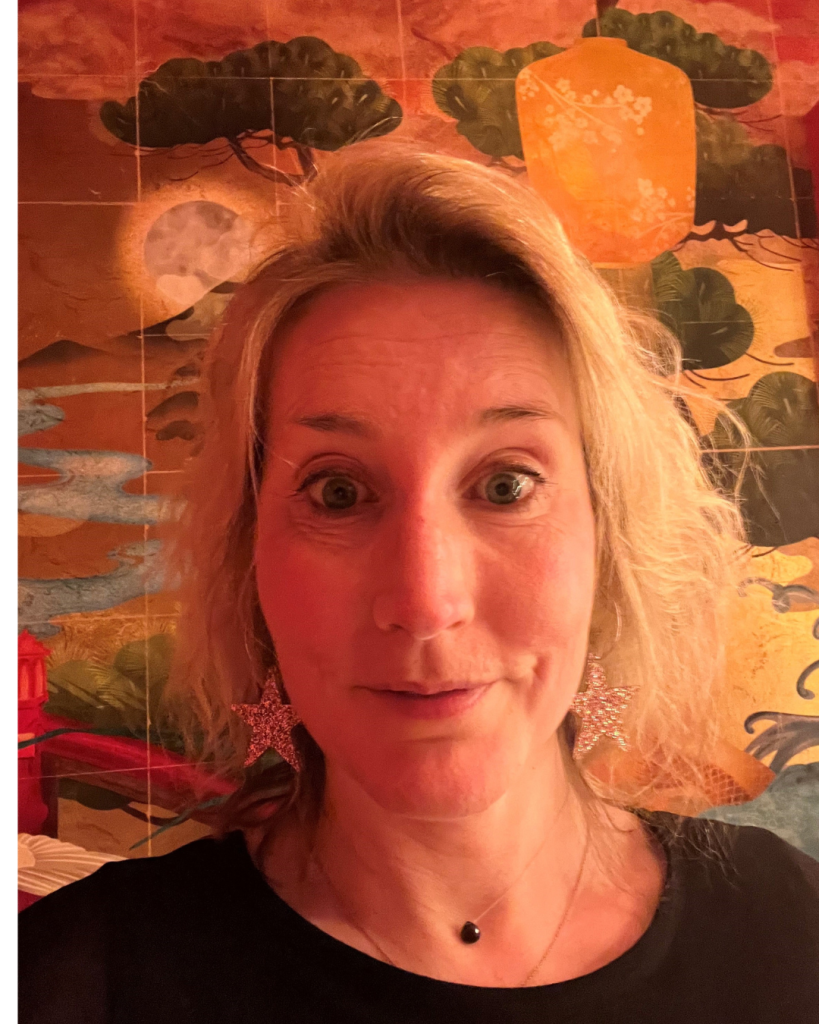
Kath is an Associate Professor of Nutrition and Dietetics in the School of Biosciences at the University of Surrey. She is a Registered Dietitian with over 20 years of experience in research, teaching and clinical practice. Her research often focuses on under-researched conditions or populations, and she has a particular interest in nutrition in early life, including pre-conception, pregnancy and lactation. She works closely with clinical and psychological colleagues to better understand the factors underpinning health-related behaviours and to develop improved and impactful management approaches. She was diagnosed with coeliac disease 6 years ago.
Lisa is a senior scientific advisor at NIHR, leading on complex areas of research commissioning, mainly within the Health Technology Assessment (HTA) and Better Methods Better Research (BMBR) Programmes. Lisa is also a research advisor at the NIHR Research support service Hub and Specialist Centre for Public Health delivered by the University of Southampton and Partners. Lisa is a vice chair of the faculty of medicine ethics committee at the University of Southampton and a member of the NIHR public health ethics committee as well as representing NIHR at the UK National Screening Committee. Two of Lisa’s young children have been diagnosed with coeliac disease.

Professor David A Price graduated with double first class honours in medical sciences and pathology at the University of Cambridge and completed his clinical training at King’s College Hospital London. He practiced internal medicine, specialising in infectious and tropical diseases, before pursuing a doctorate in molecular immunology at the University of Oxford. After further academic clinical appointments, his research was conducted with fellowship support at the NIH Vaccine Research Center. He was appointed as Chair of Infection and Immunity at Cardiff University School of Medicine in October 2007.